Holy Spouses – Holy Family
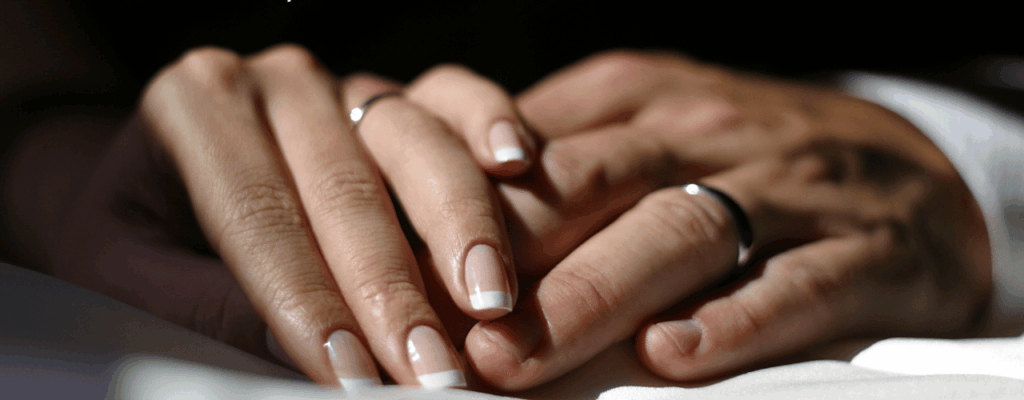
The Church has long valued the spousal dimension of Mary and Joseph’s relationship. It encourages us to see marriage not just as a social institution for the purpose of raising children, but as a divine calling to personal holiness through service to each other.
We’ve all heard of major Marian feasts like the Immaculate Conception or the Assumption, but the Espousals of Mary and Joseph is one of those hidden gems in our Catholic calendar.
Its origins trace back to the early 15th century, with the first formal celebration recorded in 1517 when Pope Leo X granted permission to the Nuns of the Annunciation to honour it on August 29.
Over time, the date shifted in different regions, and by the 19th century, January 23 became the most common date – only to be demoted from the universal Roman calendar after Vatican II.
The feast has seen a revival in recent decades and is celebrated by communities devoted to St. Joseph and emphasizing the sacred bond of marriage as a path to sanctity.
The Double ‘Yes’
At the heart of Mary and Joseph’s story are their remarkable ‘fiats’ – their “yes” to God. Mary’s came at the Annunciation, when the Archangel Gabriel announced she would conceive Jesus by the Holy Spirit (Luke 1:38).
Joseph’s “yes” followed in a dream, where an angel reassured him to take Mary as his wife despite the mystery of her pregnancy (Matthew 1:20-24).
But here’s the key: they had already said “yes” to each other in their betrothal, committing to a life together. Now, God was calling them to a deeper surrender -not in conflict with their marriage vows, but through them.
Whatever expectations they had for their life together, God called them to something more radical. They let go of their personal dreams to respond generously to God’s plan for their marriage.
Spouses, Not Just Parents
When we think of Mary and Joseph, our minds jump to stories of the Holy Family – the birth of Jesus, the flight into Egypt, or losing – then finding – Jesus in the temple. And that’s appropriate – after all, Jesus is the centre of gravity in human history.
However, the feast of their espousals reminds us that Mary and Joseph were also husband and wife. Why does this matter? Because it invites us to examine how they loved and supported each other in the everyday realities of married life.
Their union wasn’t just a backdrop for raising Jesus; it was a profound partnership rooted in mutual respect, trust, and self-giving.
By focusing on them as spouses, we shift our gaze from the familial to the relational, reminding ourselves that a strong marriage is the foundation of a holy family.
In our fast-paced world, balancing priorities often feels like a tightrope walk. As the primary caregiver in our marriage, there have been times when Francine over-invested in the kids, making parenting the centre of her universe. For Byron, a focus on career and financial provision, often meant that his personal presence at home was scarce.
While there is a practical dimension to this, there is a risk for both of us of allowing our focus to become exaggerated distortions – the undesirable consequence of our identity to being rooted in what we do or accomplish, rather than who we are in God’s eyes.
God calls every couple to life-giving generosity, where our marriages become a source of life for each other, and for others. When we prioritize loving service to our spouse, as Mary and Joseph did, our marriage will be grounded in the most important part of our vocational call.
As we celebrate this feast, let’s reflect on our own vocational call. May we, in imitation of the Holy Spouses, make our “yes” to God ever deeper.



A true marriage makes us lights to each other, our families and all we are in contact with!